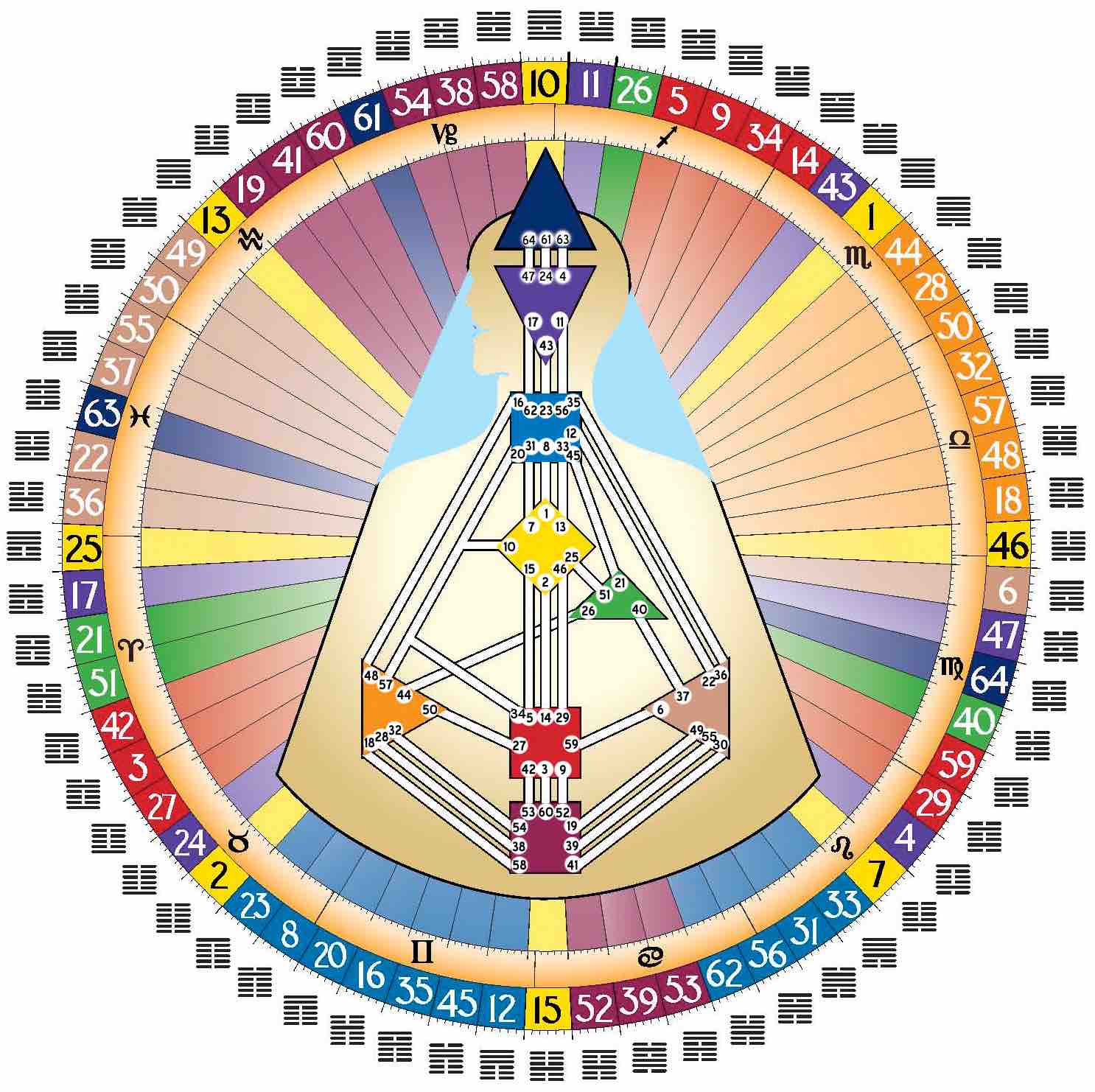
Human Design is Global Public Knowledge: IHDS is a Private Commercial Entity and Not an Official Body of the Human Design Public Knowledge System
Press Release Human Design Global Standards Association (HDGSA) Issued on: 25 April 2026 >>Read more..
Established in Berlin, Germany. Adheres to content standards set by the International Human Design Board (IHDB). Establishes industry practice standardization, defines practice guidelines, accredits professional conduct, and publishes a Professional Code of Conduct.
The Human Design Global Standards Association is a global professional standard and knowledge-based reference body dedicated to advancing the standardization and professional application of Human Design analysis in practice, education, and research. We serve as an industry standards reference for the global Human Design professional, providing a common professional framework. We uphold Human Design within the domain of life, spiritual, and consciousness guidance, focusing on development at the spiritual, psychological, and philosophical levels. The work of the Association does not involve medical, regulated professional, or scientific boundaries, and it operates in coordination with the International Human Design Board (IHDB).
Official Bylaws of the Human Design Global Standards Association
1.1 The name of the Association is the "Human Design Global Standards Association" (hereinafter referred to as "the Association").
1.2 The Association is established in Berlin, Germany. Berlin is the legal registered office and principal place of business of the Association.
2.1 The Association is a global professional standard-setting and knowledge-based reference body, dedicated to advancing the standardization and professional application of Human Design analysis in practice, education, and research.
2.2 The Association serves as an industry standards reference for the global Human Design professional community, providing a common professional framework.
2.3 The Association upholds Human Design within the domain of life, spiritual, and consciousness guidance, focusing on development and advancement at the spiritual, psychological, and philosophical levels. The work of the Association does not involve medical, regulated professional, or scientific boundaries.
2.4 The Association operates in coordination with the International Human Design Board (IHDB) and other related organizations.
3.1 Purposes include:
3.2 Core Responsibilities include:
4.1 The official website of the Association is www.humandesignglobal.org. This website provides information on the Association's standards documents, ethical guidelines, practice recommendations, membership roster, and announcements.
4.2 The website is a medium for external information dissemination. The operation and legal status of the Association are independent of the website.
5.1 Public Welfare Orientation: The professional practice of the Association prioritizes the welfare and professional rights of clients and the public. This includes avoiding exaggerated or deterministic assertions, establishing healthy professional relationships, and respecting the autonomy and personal choices of every individual who engages with Human Design.
5.2 Honesty and Transparency: All standards, ethical guidelines, and major decisions are published openly with revision dates. The Association employs transparent recording and public explanation procedures for standard revisions, practice cases, and major recommendations. Members and practitioners shall clearly state their professional qualifications, experience, and areas of competence.
5.3 Professional Boundaries: Human Design practice falls within the domain of life, spiritual, and consciousness guidance, focusing on exploration and development at the spiritual, psychological, and philosophical levels. Practitioners shall clearly communicate the role of Human Design as a spiritual and consciousness tool.
6.1 Board of Directors
The Board of Directors is the core decision-making and coordinating body. Members include senior practitioners, educators, and ethics specialists from multiple Human Design schools.
Responsibilities of the Board include:
Board members are selected through nomination and review procedures, serve fixed terms, and operate with a rotation mechanism.
6.2 Relationship with the International Human Design Board
The International Human Design Board (IHDB) is responsible for establishing content standards and definition revisions. The Association adheres to the content standards of the International Human Design Board (IHDB) and, on this basis, incorporates the Association's own industry professional conduct standards.
6.3 Practitioners and Institutions Aligned with the Association
Individual practitioners and institutions may voluntarily align with the Association's standards and guidelines. They shall adhere to:
They may state in public materials that their work is "guided by the standards of the Human Design Global Standards Association" or "follows its framework." This alignment is a professional reference relationship, built on common standards and mutual respect.
6.4 Admission and Review of Professional Members
Individuals who share the spirit and core principles of the Association and are aligned with them may apply to join the Association as professional members.
The application procedure is as follows:
Professional members shall adhere to:
The Association maintains a separate Code of Ethics document. The core directions include:
8.1 Standardization Objectives
The Association aims to establish a common reference framework covering core terminology, analytical categories, and practice structures, continuously clarifying foundational concepts through consensus and public consultation, and supporting schools and teaching institutions in integrating common standards into their curricula.
8.2 Public Use of Standards
All standards and guidelines are published publicly with version and revision dates, made available on a non-exclusive, non-proprietary basis for reference by practitioners, schools, and publishers. When referencing or implementing Association standards, the content standards as revised by the International Human Design Board (IHDB) shall be followed.
The Association serves as a shared reference platform and professional coordinator, providing:
The Association supports a diverse, professional ecosystem focused on the development of life, spirit, and consciousness.
10.1 These Bylaws are an evolving framework. The Association commits to regularly reviewing and updating standards and practice guidelines, promoting multilingual and cross-regional application of standards, and maintaining transparent, consistent operations.
10.2 Amendments to these Bylaws shall be approved by the Board of Directors and published publicly.
Human Design Global Standards Association — Established in Berlin, Germany. Official website: www.humandesignglobal.org
Honesty, confidentiality, conflict disclosure, professional boundaries, and referral protocols. Practitioners shall not guarantee outcomes or misrepresent credentials. Human Design is not a substitute for licensed medical, therapeutic, legal, or financial advice.
Common reference framework for terminology, analytical categories, and practice structures. Reduction of cross-school ambiguity. Publicly available standards with version control. Non-exclusive use for teaching, writing, and research.
The Association coordinates standards, ethics, and terminology while respecting the autonomy of schools and independent practitioners.
Press Release Human Design Global Standards Association (HDGSA) Issued on: 25 April 2026 >>Read more..
To maintain the authenticity and professional rigor of the Human Design System, the International Human Design Board (hereinafter referred to as "IHDB") issues this official statement to provide a comprehensive clarification of the "misrepresentations" widely prevalent in the market. IHDB emphasizes that the core value of Human Design lies in its role as a life-enriching system that integrates ancient philosophies with modern psychology. >>Read more..
The Human Design Global Standards Association (HDGSA)
Berlin, Germany
The Association hereby clarifies that the foundational logic and core architecture of the Human Design System are derived from a synthesis of Eastern and Western ancient wisdom heritages and transdisciplinary integration; therefore, it does not belong to any single commercial entity.
To date, on a global scale, no organization has completed the requisite legal procedures or international treaties to obtain "exclusive recognition" of ownership, regulatory authority, or standard-setting rights over Human Design across sovereign jurisdictions. Consequently, in both legal and practical terms, Human Design knowledge falls within the domain of Global Public Knowledge. Any claim by a commercial entity to hold exclusive global regulatory authority lacks valid transnational legal basis.
Established in Berlin, Germany, the Human Design Global Standards Association is a professional reference body co-founded by distinguished Human Design researchers, philosophers, and psychologists from multiple nations.
The Association aims to establish unified professional standards, providing robust academic support through the multi-dimensional lenses of philosophy, consciousness research, and depth psychology. The Association conducts professional assessments of Human Design analysis and applications based on a "Meta-knowledge" framework, referencing the foundational systems that constitute Human Design, including:
To protect the public’s right to information and rectify industry misconceptions, the Association hereby clarifies:
Nature as a Commercial Training Entity: The International Human Design School (IHDS) is, in essence, a commercial training institution registered in the United States. Its operations are limited to curriculum sales, commercial branding, and internal certification; it possesses no administrative or public regulatory authority.
Absence of Official Educational Mandate: The IHDS does not possess a global official mandate for Human Design education. In the absence of an internationally recognized exclusive treaty, the standards and rules established by the IHDS carry only the force of private contract within said organization and hold no legal binding authority over other global research institutions or professionals.
Academic Independence: The Association maintains no affiliation, partnership, or legal relationship with the IHDS. The Association remains committed to academic independence to safeguard the public nature of this intellectual heritage, ensuring it is not subjected to privatization or non-statutory closed management.
The Human Design Global Standards Association will continue to unite cross-disciplinary scholars worldwide to promote standardization based on Meta-knowledge. We ensure that this system, which integrates global wisdom, benefits the public within a transparent, professional, and legally grounded framework, free from proprietary misrepresentation.
Human Design Global Standards Association
Berlin, Germany
www.humandesignglobal.org
This formal statement is published as part of the Association's commitment to knowledge transparency and professional integrity.